High Blood Pressure and Wound Healing
The Dangers of High Blood Pressure
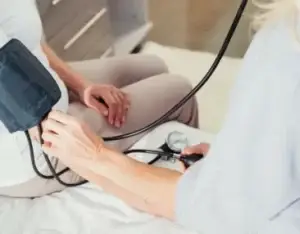 High Blood Pressure and wound healing do not go together. Hypertension or high blood pressure is a measurement of how hard your body has to work to pump and circulate blood through the arteries. There may be no symptoms of high blood pressure, but a severe condition can bring on severe headaches, fatigue and weakness, blurry vision and even nausea or vomiting. Unmonitored symptoms can sometimes lead to heart failure.
High blood pressure, or hypertension causes blood to move through the heart’s pumping chambers less effectively, with increased pressure in the heart, which robs your body of oxygen and nutrients.
To compensate for reduced pumping power, the heart’s chambers respond by stretching to hold more blood. This keeps the blood moving, but over time, the heart muscle walls weaken and are unable to pump as strongly.
High Blood Pressure and Wound Healing
What happens when high blood pressure and poor circulation continue? This reduces much-needed oxygen flow to the cells through the veins and capillaries, which regenerates and heals the cells.
Many times the kidneys react to continue high blood pressure by causing the body to retain water and sodium. (This is why you always hear to reduce the salt in your diet). The resulting fluid buildup in the arms, legs, ankles, feet, lungs, or other organs, can lead to congestive heart failure.
What Can You Do?
- Lose weight. If you are overweight, losing as little as 10 lb by eliminating extra sugar and breads may lower your blood pressure. It may also allow you to reduce blood pressure medication.
- Drink plenty of water. Keep a cup of water with you wherever you go – in the car, at the house, or when walking.
- Eat healthy foods. Try to eliminate drive-through meals and eat foods high in fiber to include fresh fruits and vegetables. It’s also important to eat foods rich in potassium. These include dark leafy greens like spinach, white beans, bananas, yogurt, fish, avocados and fresh mushrooms.
- Get active. We encourage walking for physical activity, which can lower blood pressure. Walk a trail, in your neighborhood or at an area school track.
- Don’t smoke. Nicotine temporarily increases blood pressure and heart rate with each use. Smoking also causes the arteries to tighten up, which further complicates the condition.
- Drink less alcohol. It has been proven that alcohol increases blood pressure. Drink these beverages in moderation, or eliminate them altogether.
- Cut back on salt. Eating less salt can help prevent and control high blood pressure. There are many flavored spices to experiment with in your food flavoring, which offer an alternative.
- Manage stress. Blood pressure usually increases when people are under stress. Relaxation techniques, including progressive muscle relaxation and meditation, yoga, and walking are proven methods to keep calm.
Remember, healing the body is something that can’t take place in our clinic with a few procedures – we have a partnership with each of our patients and are here to encourage them in positive behaviors while working in tandem with their physician.
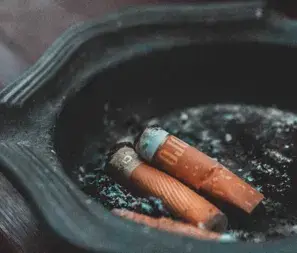 Smoking and wound healing do not go together. Why? Because just one puff of a cigarette can further restrict much needed oxygen and blood traveling to the place of injury. We all tend to associate cigarettes with lung disease, but did you know that smoking affects every cell in your body? Even one cigarette limits oxygen flow throughout the body.
 New Phone Apps to Help
 Beware of heating pads – they should never be used near an open wound or after surgery. The temporary relief causes unseen damage. Many times burning under the skin can occur, without seeing the visible signs first.
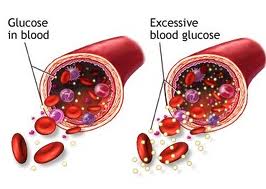
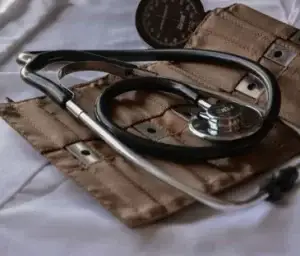 Controlling blood sugar is vital for wound care. High blood sugar levels tend to stiffen arteries and cause narrowing of the blood vessels, which slows down post-surgical and chronic wound healing. This reduces vital blood flow and oxygen directed toward the affected area(s), which the body uses during the natural healing process.
 Changes to the skin through the natural aging process cause some slower healing but, combined with a bad diet and high blood sugars, it could lead to more problems. According to the hospital of geriatric medicine at Johns Hopkins, “With aging, local blood supply to the skin decreases, epithelial layers flatten and thin, subcutaneous fat decreases, and collagen fibers lose elasticity. These changes in aging skin and the resultant lowered tolerance to hypoxia may enhance pressure-ulcer development in older persons.”
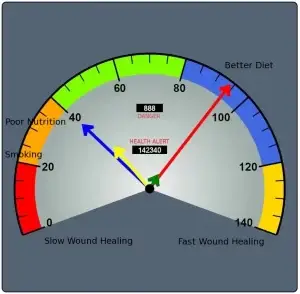 There are many variables to consider when analyzing slow healing wounds such as age, status of health, lifestyle, nutrition, or post-surgery. Non-closing wounds are known as ulcers, and when located at the lower leg, feet, or ankles, even walking can extend the healing process due to frequent pressure.
 Every action in the body, from the cellular level to the level of gross motor function, begins as an electrical impulse. When it comes to chronic wounds, electrical stimulation (ES), one of several biophysical technologies, is known by those healthcare providers who employ its use to be one of the most cost-effective, therapeutically efficacious tissue repair and wound healing accelerators in the industry today. By restoring the natural electrical potentials necessary for cellular activities that have become stalled, ES re-establishes and intensifies healing processes.