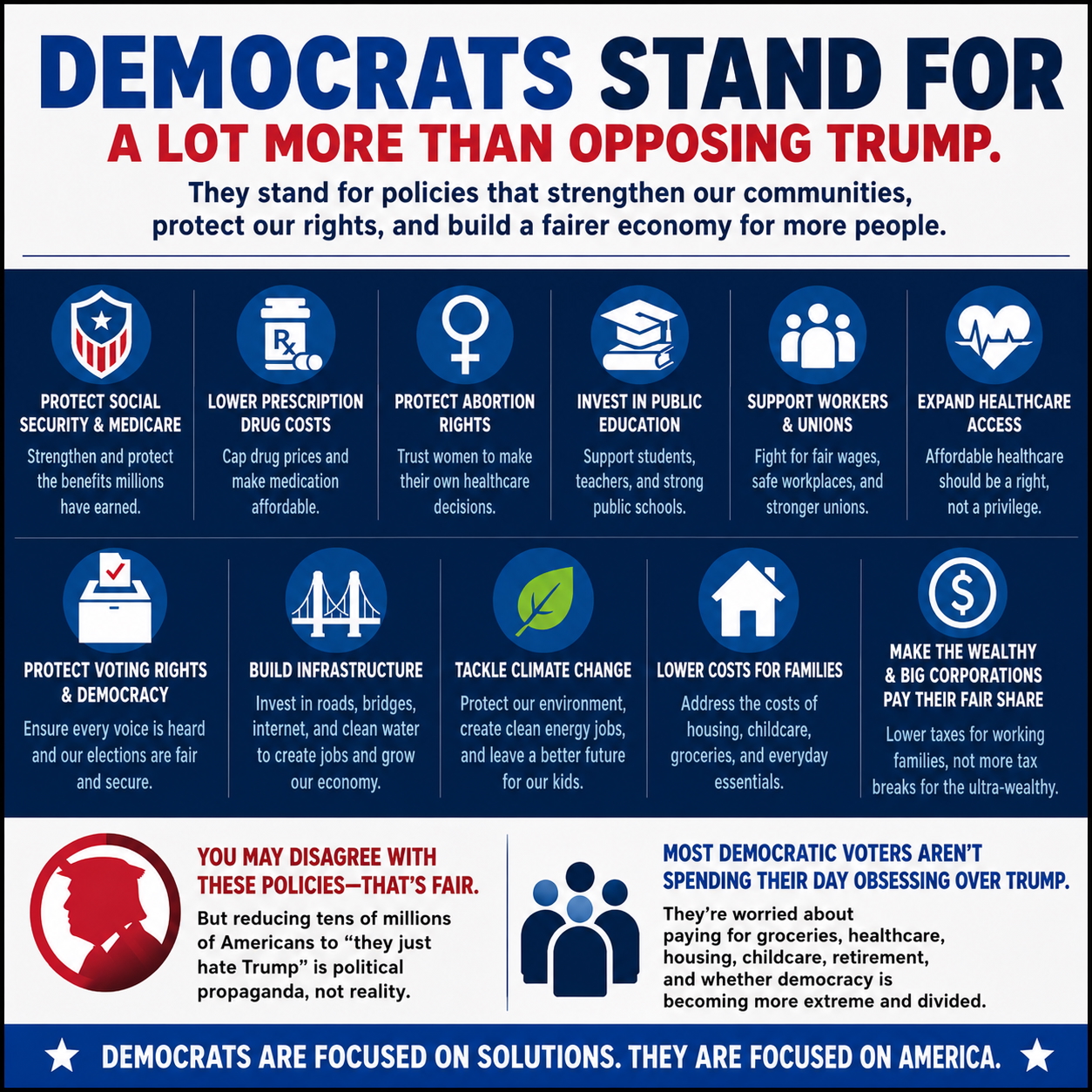
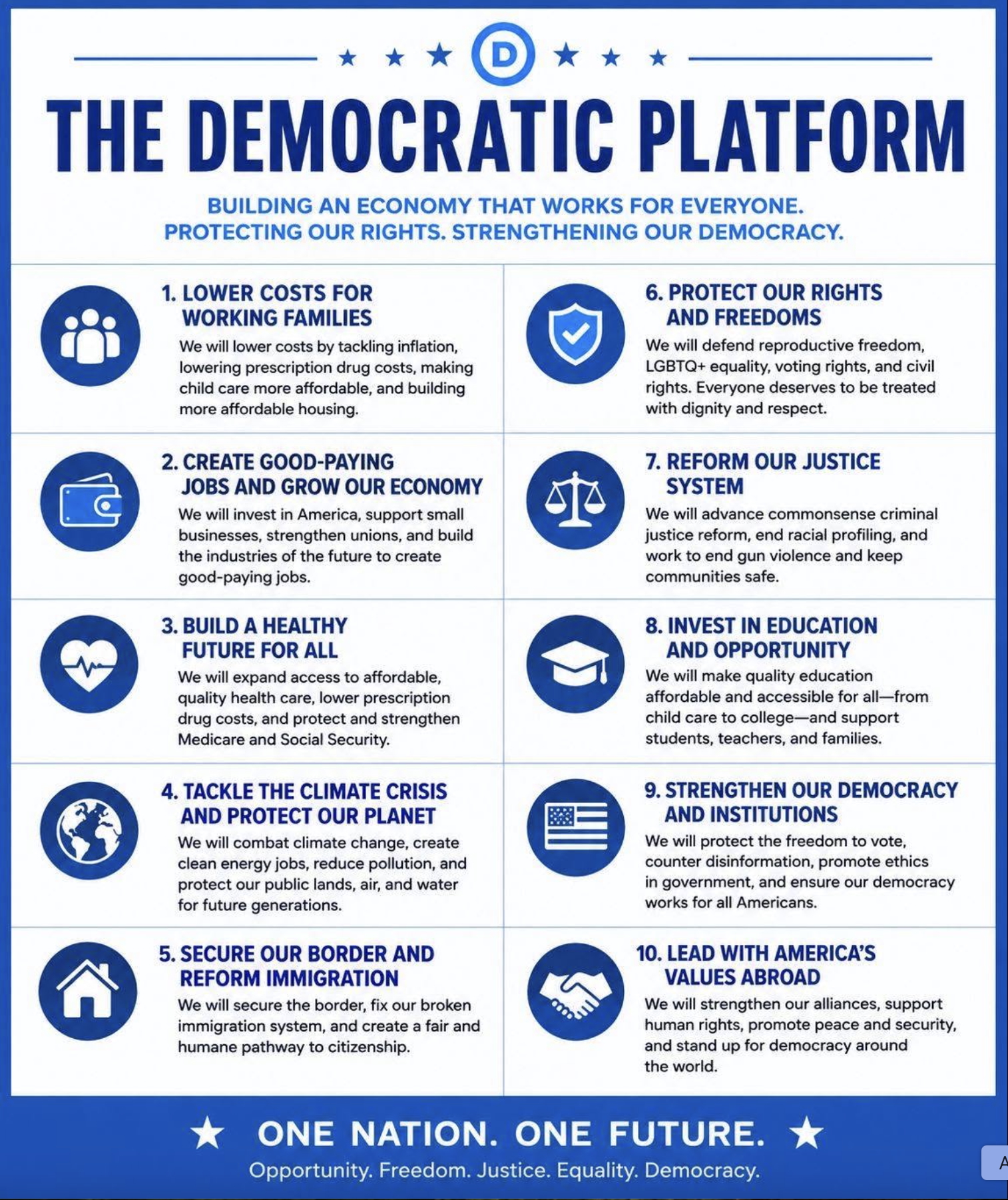
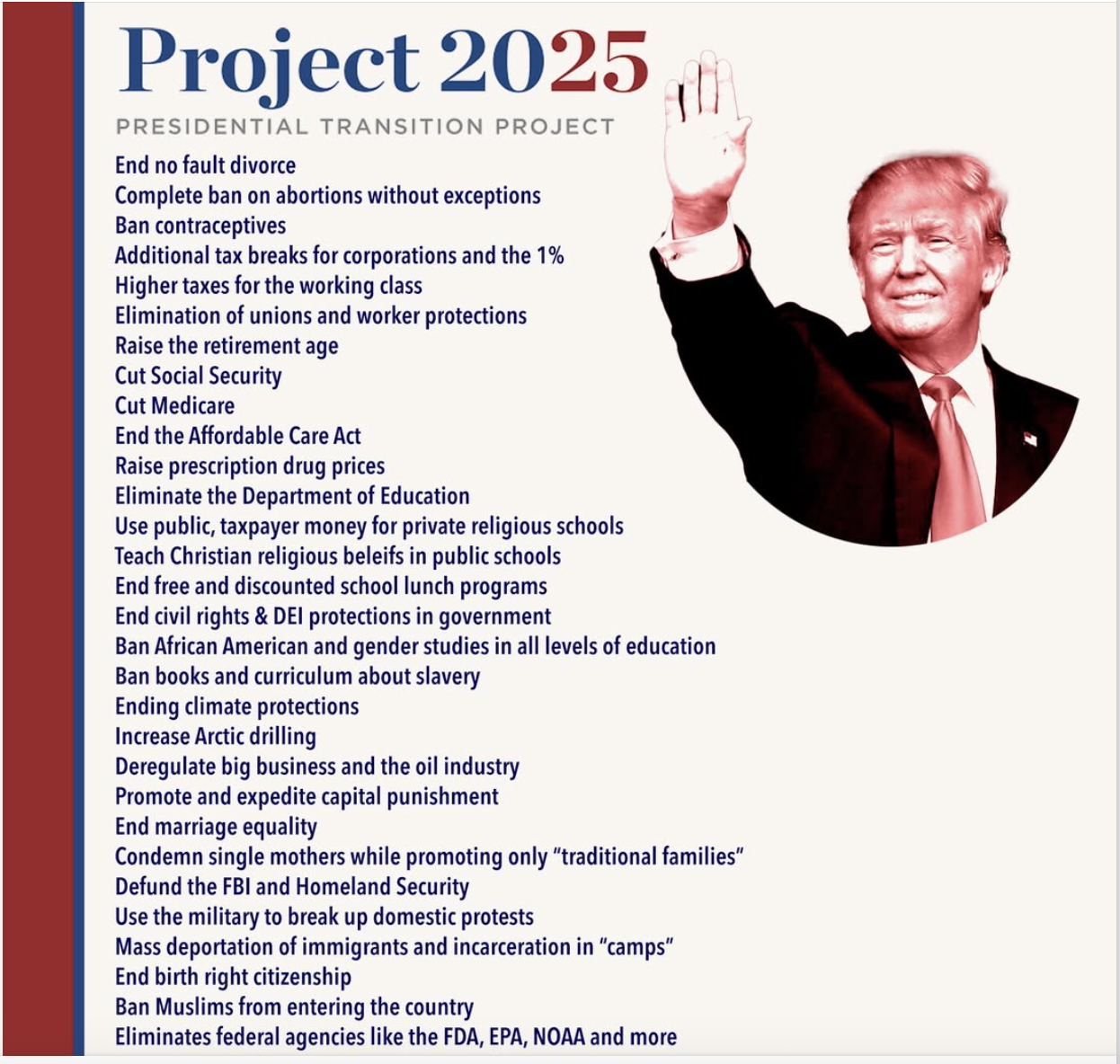
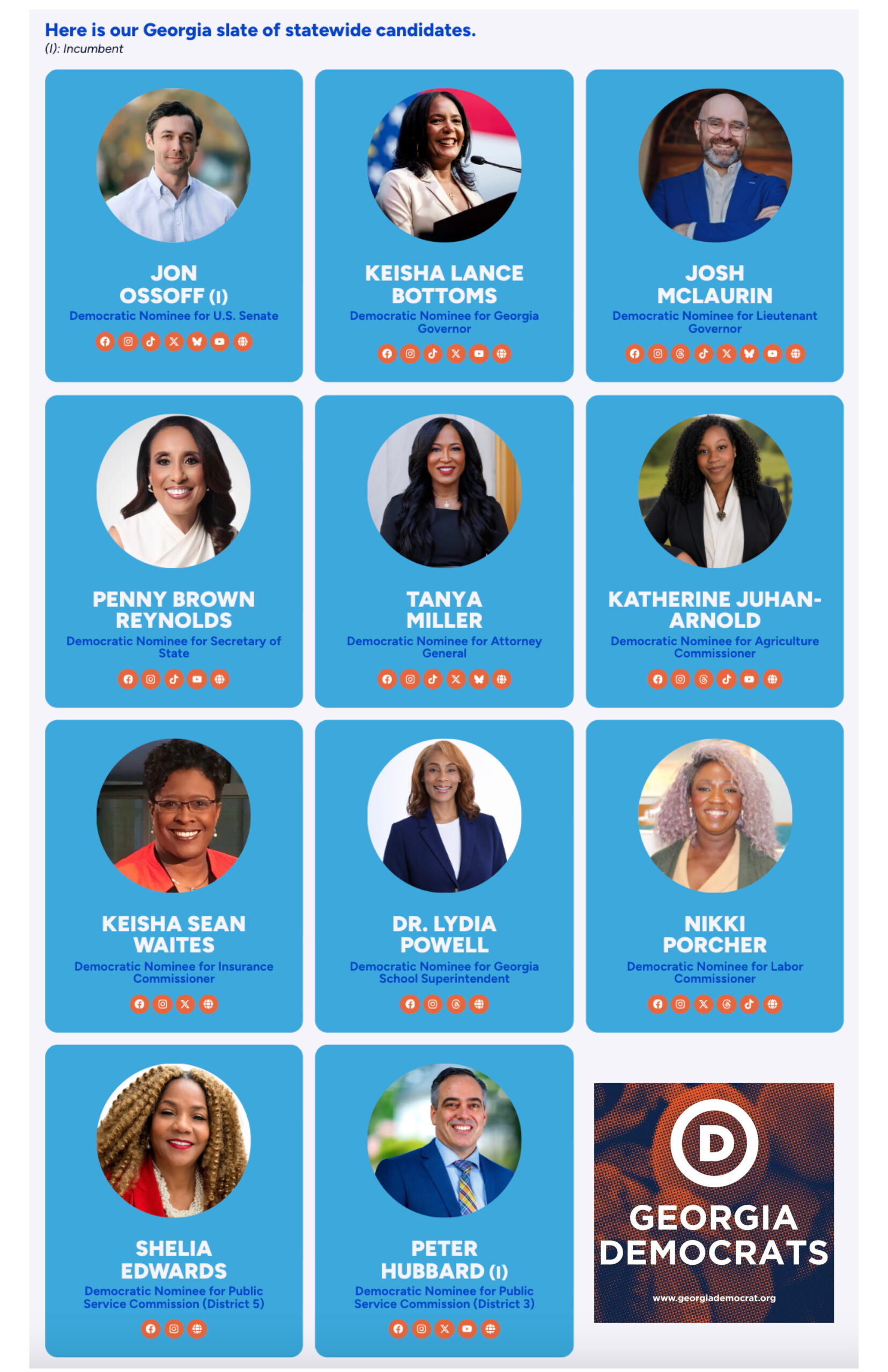
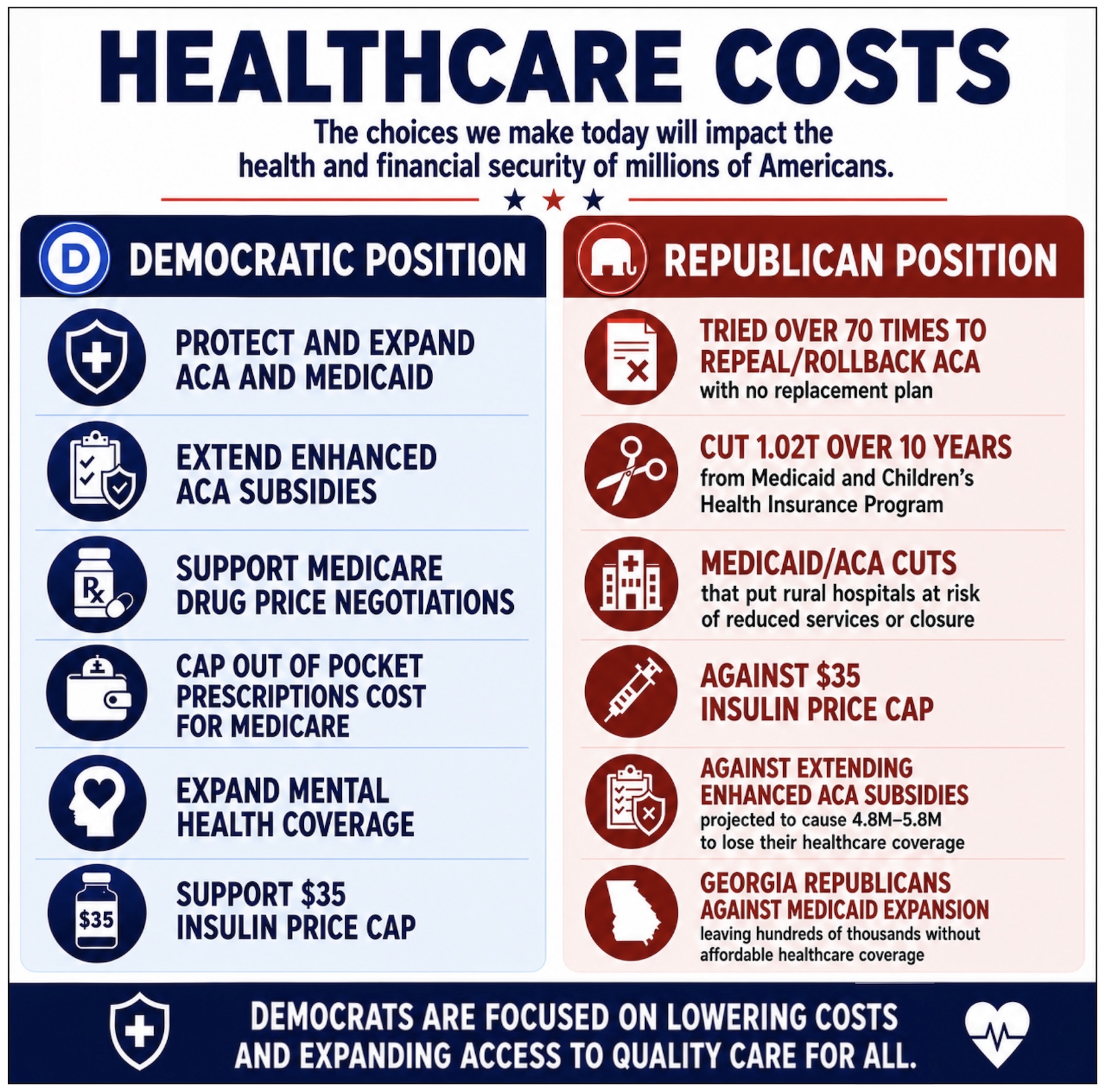
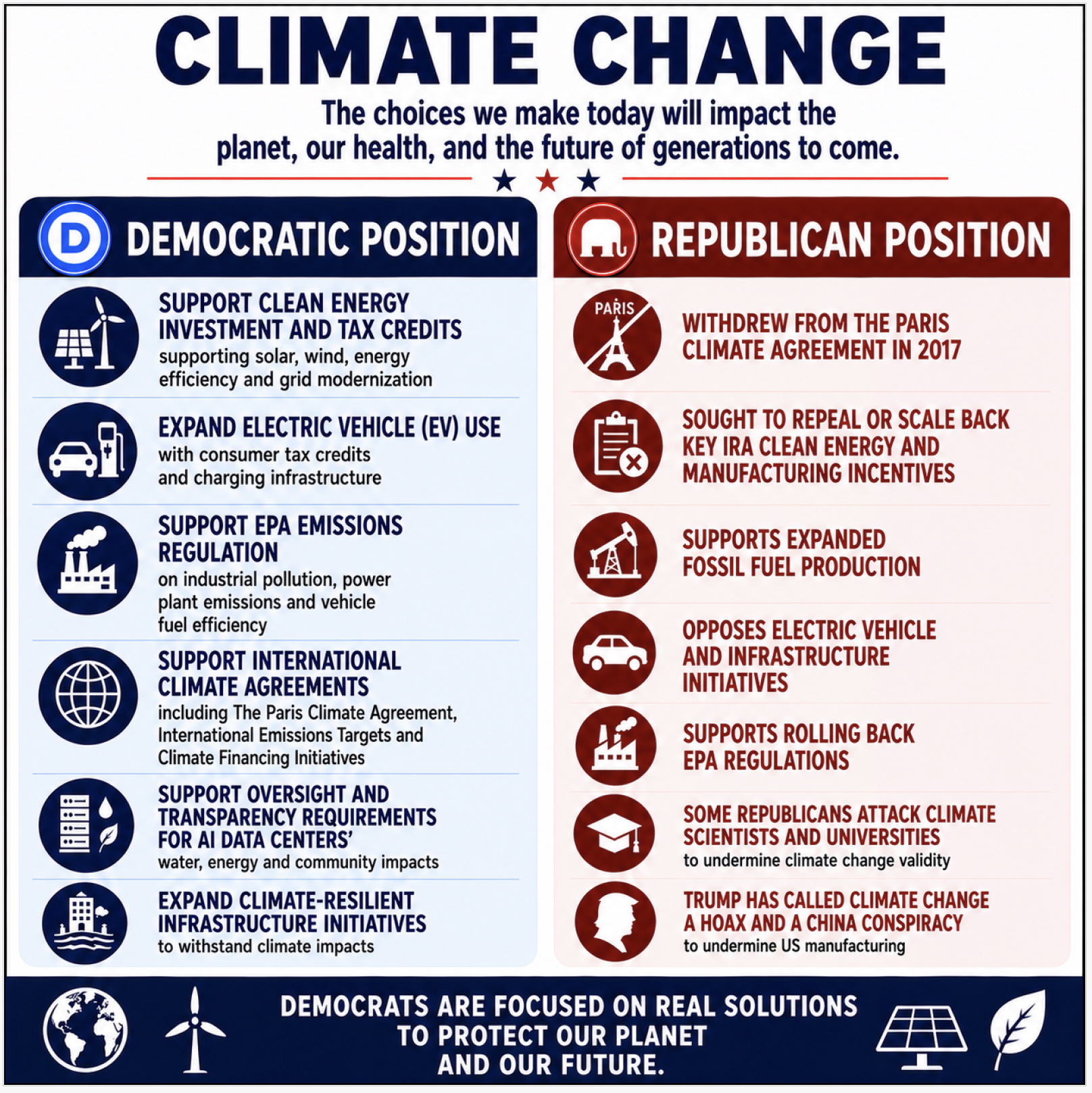
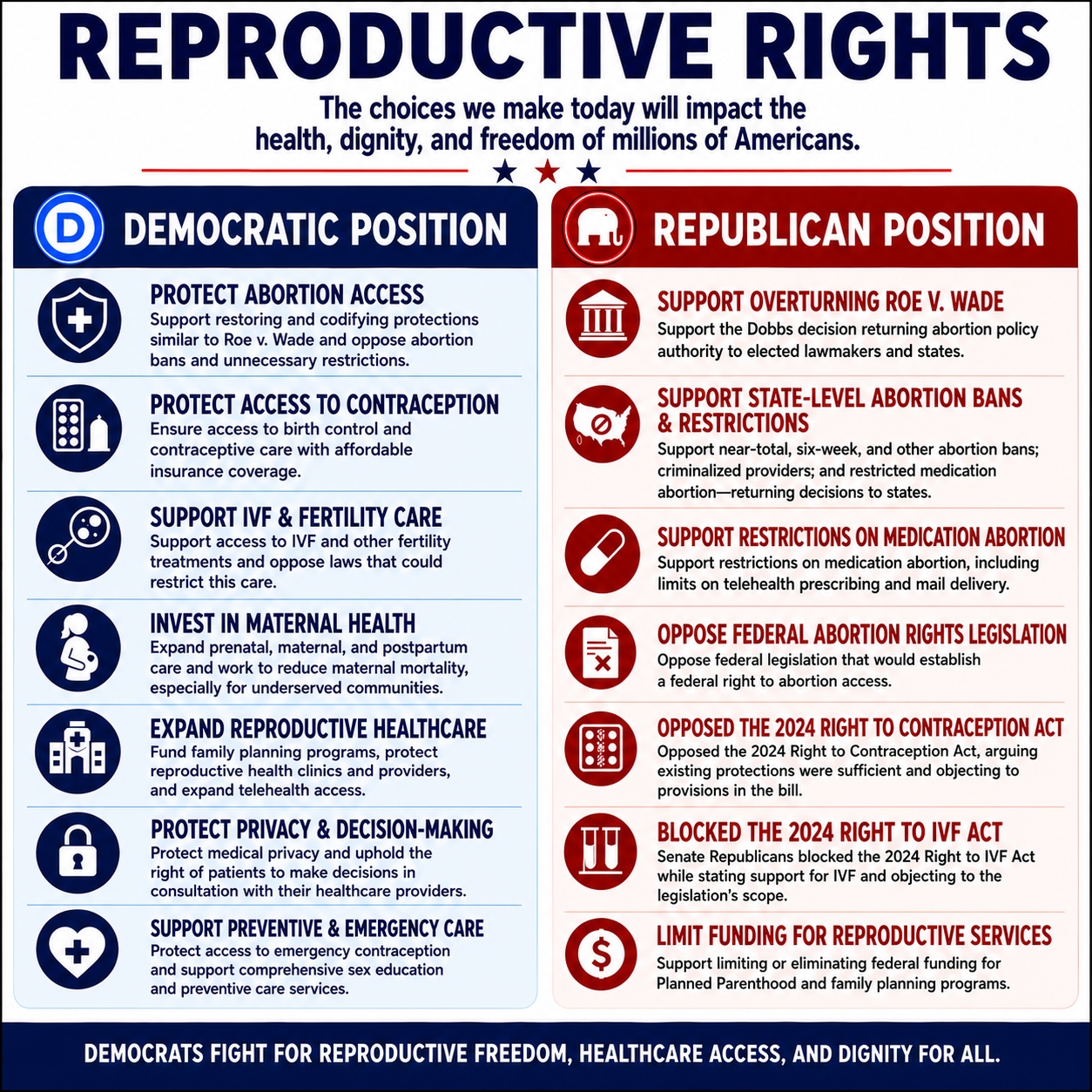
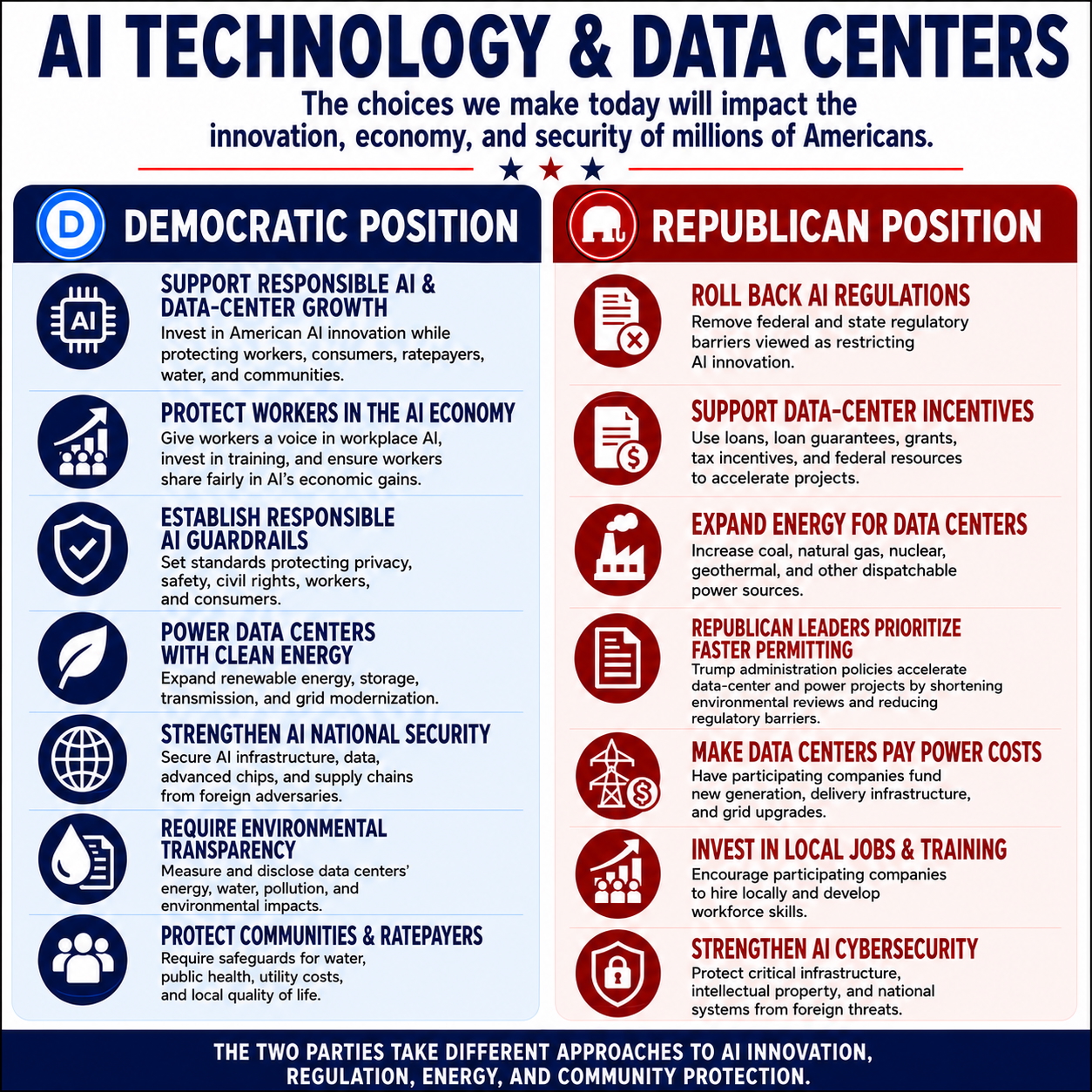

We believe the economy should work for everyone, health care is a right,
diversity is strength, and democracy is worth defending.
Days
Hours
Minutes
Seconds
until the midterm elections
Days
Hours
Minutes
Seconds
until the next President takes office
You may sign up to vote at any time, but you must register by the established registration deadline before an election if you wish to vote on election day.
Congress: No Social Security cuts. No secret deals.
Your lawmakers are home from Washington, DC, and they need to hear from YOU on Social Security.
It’s critical: In about seven years, you could get 83 cents on the dollar of your full Social Security unless Congress acts. The good news is our leaders have the tools to fix it easily.
But Washington special interests are pushing secret commissions and backroom deals that could fast-track major changes.
As Georgians struggle with crushing health care costs, Keisha Lance Bottoms took her plans to make health care affordable directly to voters on her Southeast Georgia Healthcare Tour. Medicaid expansion is a critical issue for Georgia, and as nine rural hospitals have closed their doors and hundreds of thousands of Georgians have gone without healthcare, Keisha Lance Bottoms has made clear that she will fight to expand Medicaid on day one.
Keisha said: “Expanding Medicaid is a top priority” and that “We’re going to keep trying until it passes. […] Failure is not an option.”
Compare that to Rick Jackson, who has made clear throughout his campaign that he opposes Medicaid expansion even as this position has thrown Georgia into a healthcare crisis.
Jackson even admitted to supporting Trump’s budget law that kicked 500,000 Georgians off their healthcare because it lowered his own taxes, telling a voter in Thomasville that “If [Trump] hadn’t passed it—I’ll be honest with you—I’d be paying 40% more in taxes right now.”
It couldn’t be more clear: Keisha Lance Bottoms will fight for Medicaid expansion, and Rick Jackson will oppose it every step of the way. ...
Republican concern is increasing over Mike Collins’ candidacy as his slew of scandals becomes a liability to the GOP ticket.
Concern among in-state and national Republicans surrounding GOP U.S. Senate Candidate Mike Collins continues to increase as the congressman faces a slew of scandals for “close ties” to white nationalism and corruption.
On the AJC’s Politically Georgia podcast this week, conservative radio host Erick Erickson also pointed out that Collins' bigotry has “closed the door for a lot of minority voters,” and hit him for his lack of a platform.
Meanwhile, multiple in-state and national Republicans crossed party lines, including former U.S. Senator Jeff Flake and two key South Georgia GOP mayors, to endorse Senator Jon Ossoff for re-election.
The Atlanta Journal-Constitution detailed how Mayor Scott James Matheson of Valdosta and Mayor Julie Smith of Tifton, who represent some of the reddest parts of Georgia, announced their support for Sen. Ossoff.
Both praised his approach to constituent services and his efforts to steer federal resources to South Georgia.
Earlier in the week, former GOP U.S. Senator Jeff Flake endorsed Sen. Ossoff, stating “character matters” and pointing to Collins’ refusal to acknowledge the results of the 2020 election as troubling. ...
Trump and Republicans Slash Medicare, Raise Drug Prices for Seniors.
The Trump administration announced last week that it is ending a key Medicare subsidy that makes prescription drugs affordable for seniors, in a move that administration officials themselves admit will “likely result in higher prescription costs and increase premiums for about half of recipients.”
At a time when costs are already skyrocketing at the grocery stores and at the pump, Donald Trump and Republican leaders are slashing Medicare and making it harder for seniors to afford the life-saving prescription drugs they need. Every Republican running for office in Georgia needs to answer: Do they support Trump hiking seniors’ drug costs?”
Trump and Republican leaders have already wreaked havoc on Georgians’ health care with the passage of Trump’s harmful budget law, which Mike Collins voted for and Rick Jackson has bragged about personally profiting from. ...
On August 3, the District Court of Maryland blocked a US Citizenship and Immigration Services (USCIS) rule that prevented nonpartisan civic engagement groups like the League from helping new citizens register to vote at administrative naturalization ceremonies.
The US District Court for the District of Minnesota on August 17 became the twenty-third court to dismiss the Justice Department's lawsuit demanding unlawful disclosure of private voter data.
A district court in Arkansas ruled on August 21 that restrictions on canvassers engaging in the ballot initiative process violated the First Amendment. The court had previously struck down provisions that sought to make it harder for voters to use the ballot initiative process to make laws. ...
The US Constitution, in the section commonly referred to as the Elections Clause, mandates that the states run elections. That means that there are as many ways to run American elections as there are states. In 17 states, the top election official is appointed by one body or another. The rest, 33 states, elect a chief election officer with a variety of titles and scope of responsibility. In Georgia, that official is the elected Secretary of State who shares responsibility with the State Election Board. Chances are, you’ve never encountered the Secretary of State at your polling place so coming down the hierarchy from there to the voter at the polling place, who does what?
Does The State Have Sole Responsibility for Running Elections?
No. The same Constitutional clause also allows Congress to, “at any time by Law make or alter such Registrations.” That’s how Congress was able to pass the Voting Rights Act of 1965. Congress, however, usually stays well above the fray of day-to-day election management, although it plays the crucial role of accepting the states’ certifications of the outcome. That’s how presidents become presidents and members of Congress become members of Congress.
What Does Georgia's Constitution Say About How Elections Are Run?
Article 2 of the Georgia Constitution covers everything from who can vote to who can run for office. The Constitution gives the General Assembly the exclusive responsibility to pass and amend election laws.
What Does the Secretary of State Do?
The Elections Division of the Office of the Secretary of State (SoS) “organizes and oversees all election activity,” which is, to say the least, a lot. This is where the buck stops when things go wrong. The Division sets procedure, rules and regulations for county and local election offices to follow when administering elections within their geographical boundaries. The State Elections Board (SEB) signs off on those and/or sets others for the SOS to follow. Neither the SOS nor the SEB are empowered to pass election laws, although the latter keeps trying. Since 2020, the relationship between the two offices has been fraught and the Secretary no longer chairs nor sits on the State Board as was originally mandated in the state Constitution.
So Much for the Rules. Who Does the Work?
Back to the Georgia Constitution. Farther down in Article 2 what’s called a “subpart” outlines the size and duties of county elections directors and their boards. There are a mountain of laws and rules to follow while providing election administration. This person must be knowledgeable on laws, rules, technology and election systems, data entries, and must make critical, timely judgments using that knowledge. The minimum number of election board members is three, the maximum is five. The county commission assembles a list of potential appointees. Most of Georgia’s 159 counties combine the Board of Elections with the Board of Registrars, a few separate them. The Board of Elections oversees everything on election day and the tabulation that takes place to determine the outcome. The Board of Registrars oversees early voting and mail-in ballots.
How Big a Staff Do Boards of Elections Have?
Depending on the size of the county, the elections administrator, i.e., chairperson of the Board of Elections, may have a staff with separate people responsible for voter registration, for vetting polling places for compliance with the Americans with Disabilities Act and adequate security, for training poll workers, etc., etc. In smaller counties, barebones would be overstating the number of staff resources available to do any and all of the tasks necessary to carry off an efficient election. The fact that Georgia’s elections are as near to 100% accurate as humanly possible and that results are final quickly is a testament to the dedication of a small number of people doing the good work of ensuring election integrity. If you’ve ever visited or called your local county Board of Elections for any reason, you’ve almost certainly found someone who knew the answer to your question or how to solve your problem.
What About Poll Workers?
To add to the cliches of the SOS being where the buck stops, poll workers are where the rubber meets the road. Elections couldn’t happen without them. The responsibilities are great. The work comes in waves. The pay is bad. And election days are long. Poll workers must be there before the polls open and stay until the lights are turned off after the last voter leaves. Law requires that poll workers be trained for each and every election, regardless of how many elections a poll worker has worked. Poll managers are trained to handle issues and to answer questions. Poll workers are trained to walk a voter from check-in to feeding the ballot into the scanner and receiving the coveted “I’m a Georgia Voter” sticker.
Why Become a Poll Worker?
Poll workers learn from the inside that our elections are safe and secure. The work is rewarding and satisfying, as the poll worker is responsible for every successful election. It’s a community effort and a great way to be involved. You probably know several poll workers. Whether you do or don’t, once you volunteer, you’ll have new friends. Talking politics is off limits, so working the polls gives us the opportunity to share everything else that brings us closer and reminds us that we’re neighbors working to build better communities. ...
Plaintiffs in League of Women Voters of Massachusetts v. Trump supplemented their complaint on August 26 to challenge the US Postal Service’s newly finalized mail ballot rule and asked the court for emergency relief to block its implementation for the November election.
A coalition of pro-voter organizations, including the League of Women Voters of South Dakota, filed a lawsuit on August 24 seeking to ensure South Dakota’s new documentary proof of citizenship voter registration law complies with federal law.
We need lawyers to understand contracts, economists to understand the economy, brokers to understand the stock market, yet our healthcare system is the only system
Skidaway Island Democrats believe in the fundamental right of women to make decisions about their bodies without government interference. This includes the right to choose
Congress: No Social Security cuts. No secret deals.
Your lawmakers are home from Washington, DC, and they need to hear from YOU on Social Security.
It’s critical: In about seven years, you could get 83 cents on the dollar of your full Social Security unless Congress acts. The good news is our leaders have the tools to fix it easily.
But Washington special interests are pushing secret commissions and backroom deals that could fast-track major changes.
Remind your lawmakers: Voters are watching to make sure you protect Social Security from cuts, backroom deals, and closed-door commissions! [action.aarp.org/secure/2026-08-advocate-social-security-default]
www.tinyurl.com/2xzqccat ...
Congress: No Social Security cuts. No secret deals.
www.tinyurl.com
Remind your lawmakers: Voters are watching to make sure you protect Social Security from cuts, backroom deals, and closed-door commissions!0 CommentsComment on Facebook
...
This content isn't available right now
When this happens, it's usually because the owner only shared it with a small group of people, changed who can see it or it's been deleted.0 CommentsComment on Facebook
As Georgians struggle with crushing health care costs, Keisha Lance Bottoms took her plans to make health care affordable directly to voters on her Southeast Georgia Healthcare Tour.
Medicaid expansion is a critical issue for Georgia, and as nine rural hospitals have closed their doors and hundreds of thousands of Georgians have gone without healthcare, Keisha Lance Bottoms has made clear that she will fight to expand Medicaid on day one.
Keisha said: “Expanding Medicaid is a top priority” and that “We’re going to keep trying until it passes. […] Failure is not an option.”
Compare that to Rick Jackson, who has made clear throughout his campaign that he opposes Medicaid expansion even as this position has thrown Georgia into a healthcare crisis.
Jackson even admitted to supporting Trump’s budget law that kicked 500,000 Georgians off their healthcare because it lowered his own taxes, telling a voter in Thomasville that “If [Trump] hadn’t passed it—I’ll be honest with you—I’d be paying 40% more in taxes right now.”
It couldn’t be more clear: Keisha Lance Bottoms will fight for Medicaid expansion, and Rick Jackson will oppose it every step of the way. ...
0 CommentsComment on Facebook
Republican concern is increasing over Mike Collins’ candidacy as his slew of scandals becomes a liability to the GOP ticket.
Concern among in-state and national Republicans surrounding GOP U.S. Senate Candidate Mike Collins continues to increase as the congressman faces a slew of scandals for “close ties” to white nationalism and corruption.
On the AJC’s Politically Georgia podcast this week, conservative radio host Erick Erickson also pointed out that Collins' bigotry has “closed the door for a lot of minority voters,” and hit him for his lack of a platform.
Meanwhile, multiple in-state and national Republicans crossed party lines, including former U.S. Senator Jeff Flake and two key South Georgia GOP mayors, to endorse Senator Jon Ossoff for re-election.
The Atlanta Journal-Constitution detailed how Mayor Scott James Matheson of Valdosta and Mayor Julie Smith of Tifton, who represent some of the reddest parts of Georgia, announced their support for Sen. Ossoff.
Both praised his approach to constituent services and his efforts to steer federal resources to South Georgia.
Earlier in the week, former GOP U.S. Senator Jeff Flake endorsed Sen. Ossoff, stating “character matters” and pointing to Collins’ refusal to acknowledge the results of the 2020 election as troubling. ...
0 CommentsComment on Facebook
Trump and Republicans Slash Medicare, Raise Drug Prices for Seniors.
The Trump administration announced last week that it is ending a key Medicare subsidy that makes prescription drugs affordable for seniors, in a move that administration officials themselves admit will “likely result in higher prescription costs and increase premiums for about half of recipients.”
At a time when costs are already skyrocketing at the grocery stores and at the pump, Donald Trump and Republican leaders are slashing Medicare and making it harder for seniors to afford the life-saving prescription drugs they need. Every Republican running for office in Georgia needs to answer: Do they support Trump hiking seniors’ drug costs?”
Trump and Republican leaders have already wreaked havoc on Georgians’ health care with the passage of Trump’s harmful budget law, which Mike Collins voted for and Rick Jackson has bragged about personally profiting from. ...
0 CommentsComment on Facebook
VOTE411 ...
VOTE411
www.vote411.org
Election information you need. Brought to you by The League of Women Voters Education Fund.0 CommentsComment on Facebook
Voting Rights in the Courts
On August 3, the District Court of Maryland blocked a US Citizenship and Immigration Services (USCIS) rule that prevented nonpartisan civic engagement groups like the League from helping new citizens register to vote at administrative naturalization ceremonies.
The US District Court for the District of Minnesota on August 17 became the twenty-third court to dismiss the Justice Department's lawsuit demanding unlawful disclosure of private voter data.
A district court in Arkansas ruled on August 21 that restrictions on canvassers engaging in the ballot initiative process violated the First Amendment. The court had previously struck down provisions that sought to make it harder for voters to use the ballot initiative process to make laws. ...
4 CommentsComment on Facebook
From our friends at the League of Women Voters:
How Georgia Votes: Who Runs Georgia's Elections?
The US Constitution, in the section commonly referred to as the Elections Clause, mandates that the states run elections. That means that there are as many ways to run American elections as there are states. In 17 states, the top election official is appointed by one body or another. The rest, 33 states, elect a chief election officer with a variety of titles and scope of responsibility. In Georgia, that official is the elected Secretary of State who shares responsibility with the State Election Board. Chances are, you’ve never encountered the Secretary of State at your polling place so coming down the hierarchy from there to the voter at the polling place, who does what?
Does The State Have Sole Responsibility for Running Elections?
No. The same Constitutional clause also allows Congress to, “at any time by Law make or alter such Registrations.” That’s how Congress was able to pass the Voting Rights Act of 1965. Congress, however, usually stays well above the fray of day-to-day election management, although it plays the crucial role of accepting the states’ certifications of the outcome. That’s how presidents become presidents and members of Congress become members of Congress.
What Does Georgia's Constitution Say About How Elections Are Run?
Article 2 of the Georgia Constitution covers everything from who can vote to who can run for office. The Constitution gives the General Assembly the exclusive responsibility to pass and amend election laws.
What Does the Secretary of State Do?
The Elections Division of the Office of the Secretary of State (SoS) “organizes and oversees all election activity,” which is, to say the least, a lot. This is where the buck stops when things go wrong. The Division sets procedure, rules and regulations for county and local election offices to follow when administering elections within their geographical boundaries. The State Elections Board (SEB) signs off on those and/or sets others for the SOS to follow. Neither the SOS nor the SEB are empowered to pass election laws, although the latter keeps trying. Since 2020, the relationship between the two offices has been fraught and the Secretary no longer chairs nor sits on the State Board as was originally mandated in the state Constitution.
So Much for the Rules. Who Does the Work?
Back to the Georgia Constitution. Farther down in Article 2 what’s called a “subpart” outlines the size and duties of county elections directors and their boards. There are a mountain of laws and rules to follow while providing election administration. This person must be knowledgeable on laws, rules, technology and election systems, data entries, and must make critical, timely judgments using that knowledge. The minimum number of election board members is three, the maximum is five. The county commission assembles a list of potential appointees. Most of Georgia’s 159 counties combine the Board of Elections with the Board of Registrars, a few separate them. The Board of Elections oversees everything on election day and the tabulation that takes place to determine the outcome. The Board of Registrars oversees early voting and mail-in ballots.
How Big a Staff Do Boards of Elections Have?
Depending on the size of the county, the elections administrator, i.e., chairperson of the Board of Elections, may have a staff with separate people responsible for voter registration, for vetting polling places for compliance with the Americans with Disabilities Act and adequate security, for training poll workers, etc., etc. In smaller counties, barebones would be overstating the number of staff resources available to do any and all of the tasks necessary to carry off an efficient election. The fact that Georgia’s elections are as near to 100% accurate as humanly possible and that results are final quickly is a testament to the dedication of a small number of people doing the good work of ensuring election integrity. If you’ve ever visited or called your local county Board of Elections for any reason, you’ve almost certainly found someone who knew the answer to your question or how to solve your problem.
What About Poll Workers?
To add to the cliches of the SOS being where the buck stops, poll workers are where the rubber meets the road. Elections couldn’t happen without them. The responsibilities are great. The work comes in waves. The pay is bad. And election days are long. Poll workers must be there before the polls open and stay until the lights are turned off after the last voter leaves. Law requires that poll workers be trained for each and every election, regardless of how many elections a poll worker has worked. Poll managers are trained to handle issues and to answer questions. Poll workers are trained to walk a voter from check-in to feeding the ballot into the scanner and receiving the coveted “I’m a Georgia Voter” sticker.
Why Become a Poll Worker?
Poll workers learn from the inside that our elections are safe and secure. The work is rewarding and satisfying, as the poll worker is responsible for every successful election. It’s a community effort and a great way to be involved. You probably know several poll workers. Whether you do or don’t, once you volunteer, you’ll have new friends. Talking politics is off limits, so working the polls gives us the opportunity to share everything else that brings us closer and reminds us that we’re neighbors working to build better communities. ...
0 CommentsComment on Facebook
Midterm election outcomes depend on turnout. You. Must. Vote. ...
0 CommentsComment on Facebook
Securing Our Elections
Plaintiffs in League of Women Voters of Massachusetts v. Trump supplemented their complaint on August 26 to challenge the US Postal Service’s newly finalized mail ballot rule and asked the court for emergency relief to block its implementation for the November election.
A coalition of pro-voter organizations, including the League of Women Voters of South Dakota, filed a lawsuit on August 24 seeking to ensure South Dakota’s new documentary proof of citizenship voter registration law complies with federal law.
—LWV ...
2 CommentsComment on Facebook
...
0 CommentsComment on Facebook
...
This content isn't available right now
When this happens, it's usually because the owner only shared it with a small group of people, changed who can see it or it's been deleted.0 CommentsComment on Facebook